

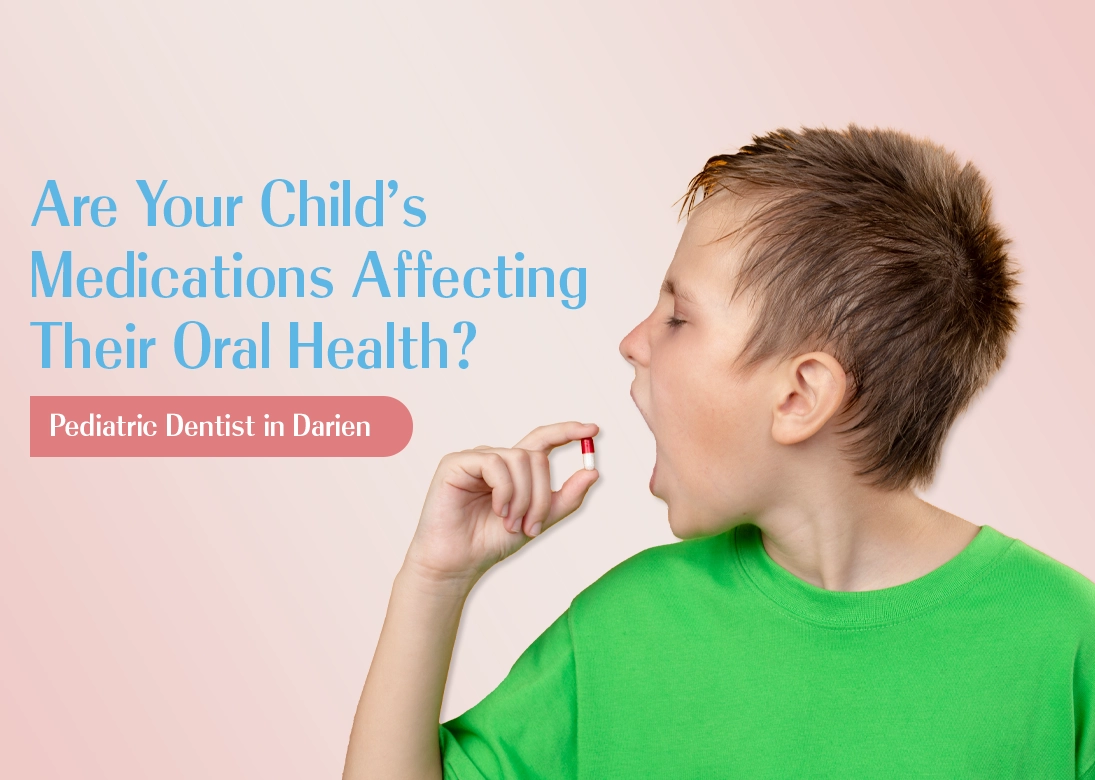


According to the Centers for Disease Control and Prevention (CDC), about 1 in 5 children are currently taking prescription medications and more than half take vitamins or other dietary supplements. Even when used as directed and under medical supervision, your child may experience medication side effects that can impact their oral health. Always let us know if your child is taking any medicines or supplements and if those have changed since your last visit.
Here are some common side effects of medications that can impact your child's oral health:
Abnormal Bleeding
Blood thinning and reduced clotting accompany the use of some medications. This can cause problems with excessive bleeding during treatments for periodontal disease or oral surgery. Your dentist needs to know if your child is taking any medications or supplements before scheduling any treatment that may involve bleeding.
Dry Mouth
Many medications can cause reduced saliva production. When your child's mouth does not produce enough saliva, it is more susceptible to inflammation and infection, tooth decay, and other oral health problems.
Fungal Infection
Oral Candidiasis is an oral fungal infection that can affect those who use oral inhalers for asthma and other breathing conditions. We encourage patients with inhalers to rinse their mouth thoroughly with water after using their inhaler.
Gum Tissue Enlargement
Overgrowth or enlargement of gum tissue may occur as a side effect of certain medications. Patients with this condition need to give special attention to keeping teeth and gums clean to prevent inflammation or decay.
Soft Tissue Reactions
Inflammation, oral sores, or discoloration of soft tissues can occur as a side effect of some medications. If your child experiences this type of reaction, we may be able to prescribe a special oral hygiene regimen that can alleviate their discomfort.
Tooth Decay
While tooth decay is not directly a side effect of medication, several types of medicines use sugar to improve the flavor, especially those in liquid, chewable, and lozenge forms. When these are taken over a period of time, the sugars left on the teeth can make the patient more likely to develop tooth decay. When possible, select sugar-free versions of medications, take with meals, or rinse your mouth after taking a sugared medicine.
If your child is experiencing any of these side effects or if you have concerns about any medications your child is taking, contact our office.
Lil' Dente Pediatric Dentistry
Email: hello@lildente.com
Phone: 203-309-0312
Url: https://www.lildente.com/
330 Post Rd, Suite 110
Darien, CT 06820
Frequently Asked Questions
Can my child’s medications affect their oral health?
Yes, many prescription medications and supplements can impact your child’s oral health even when taken as directed. Common side effects include dry mouth, gum tissue changes, abnormal bleeding, and increased risk of tooth decay. Because these effects are not always obvious, it is important to inform your pediatric dentist about any medications or supplements your child is taking.
How does dry mouth caused by medication affect children’s teeth?
Dry mouth occurs when medications reduce saliva production, which plays a critical role in protecting teeth and gums. Without enough saliva, bacteria and acids are not washed away effectively, increasing the risk of cavities, gum inflammation, and oral infections. Children experiencing dry mouth may need extra oral hygiene support and more frequent dental monitoring.
Why do some medications increase the risk of tooth decay?
Many liquid, chewable, or lozenge-style medications contain added sugars to improve taste. When these sugars remain on the teeth, they feed bacteria that produce acids and weaken enamel. Over time, frequent exposure can significantly raise the risk of cavities, especially if brushing or rinsing does not occur after taking the medication.
What oral side effects are linked to inhalers and long-term medications?
Children who use inhalers for asthma or other breathing conditions may develop oral fungal infections such as oral candidiasis. Certain medications can also cause gum tissue enlargement, inflammation, or sores. Rinsing the mouth after inhaler use and maintaining excellent oral hygiene can help reduce these medication-related side effects.
Why should I tell the pediatric dentist about my child’s medications before treatment?
Some medications affect blood clotting and can increase the risk of excessive bleeding during dental procedures. Knowing your child’s medication history allows the dentist to plan safe treatments, adjust care when needed, and prevent complications. Open communication ensures your child receives personalized dental care tailored to their medical needs.



.jpg)


.svg)
.svg)


.svg)